 Image 1 of 5
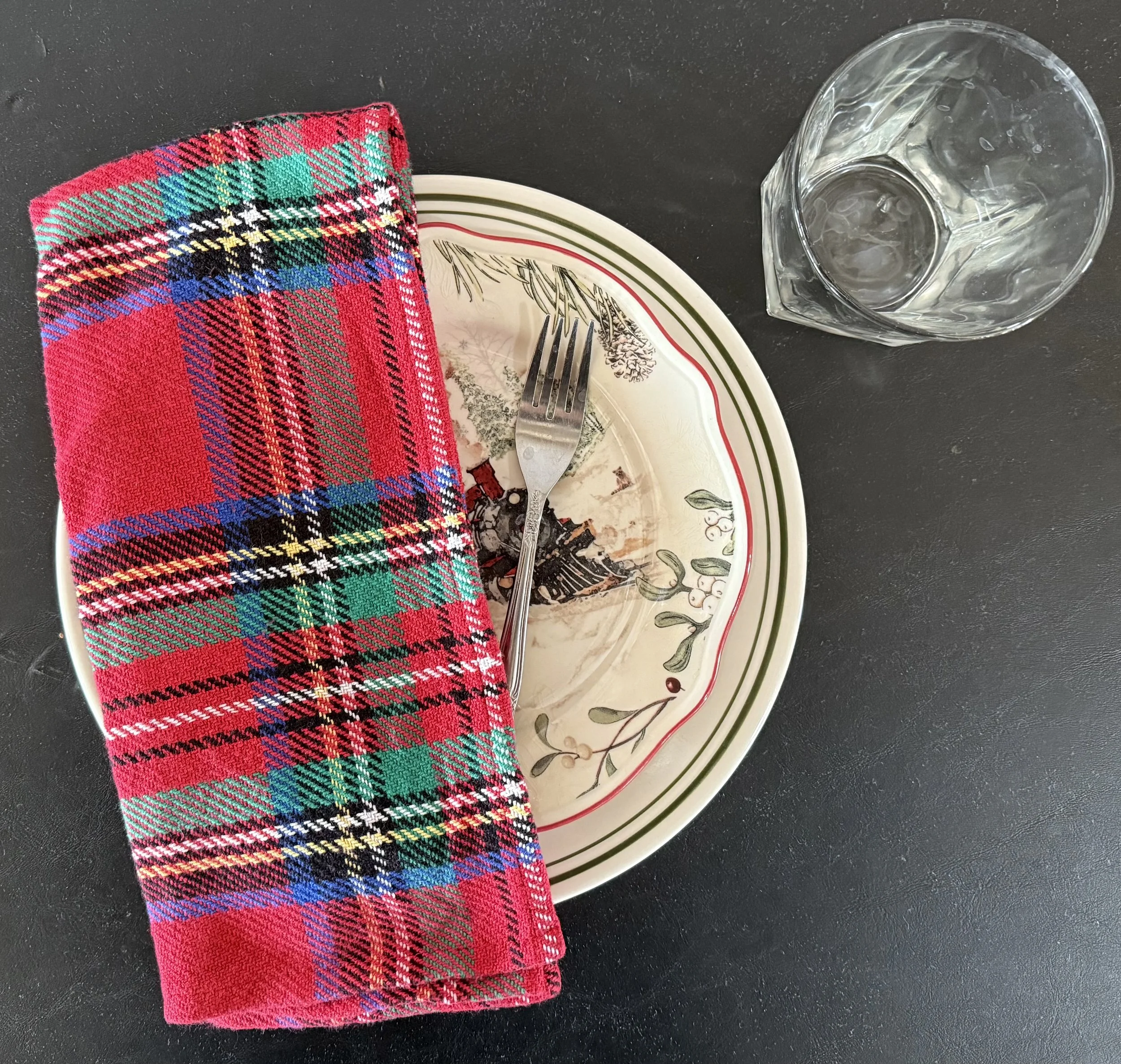 Image 2 of 5
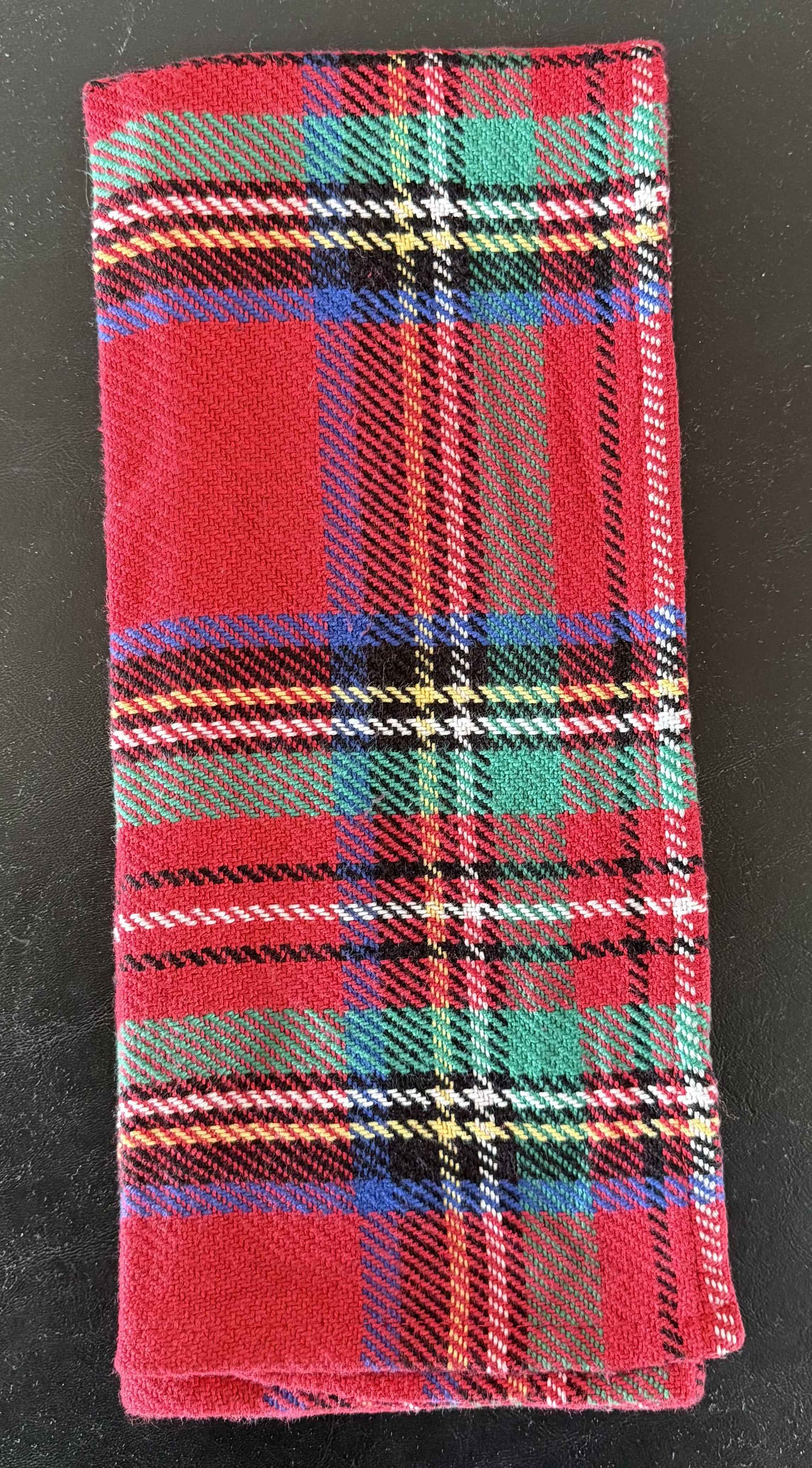 Image 3 of 5
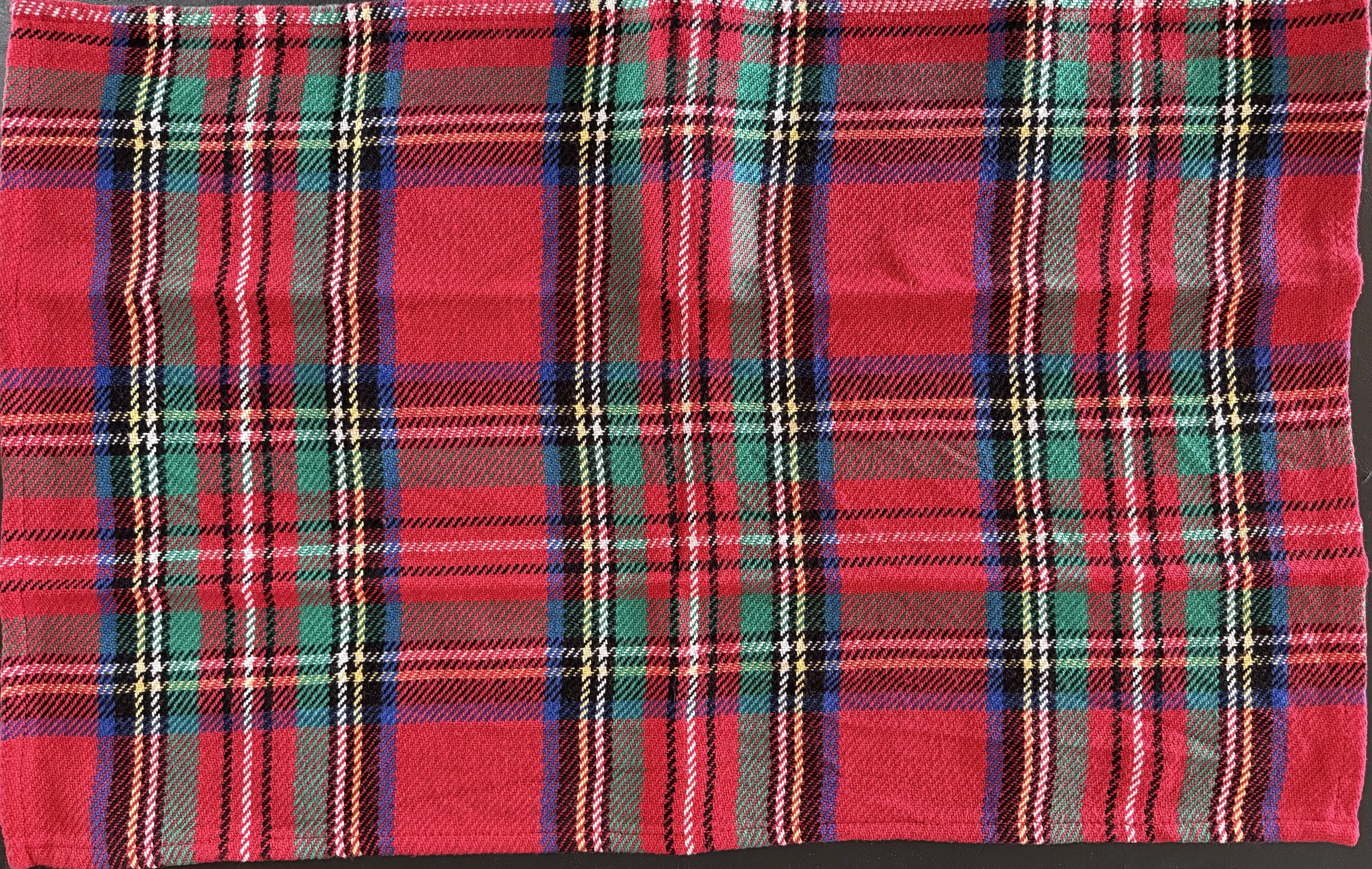 Image 4 of 5
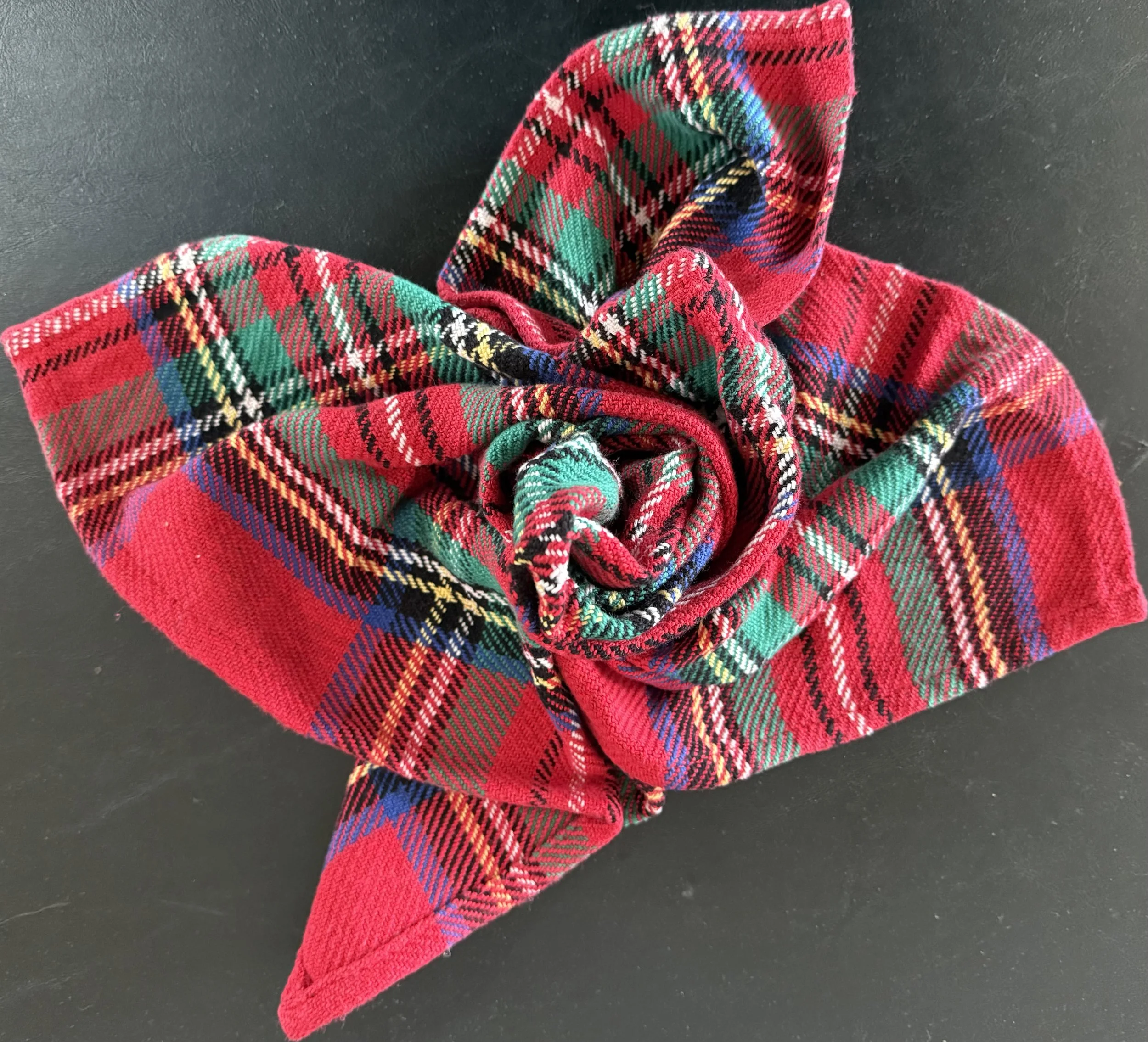 Image 5 of 5
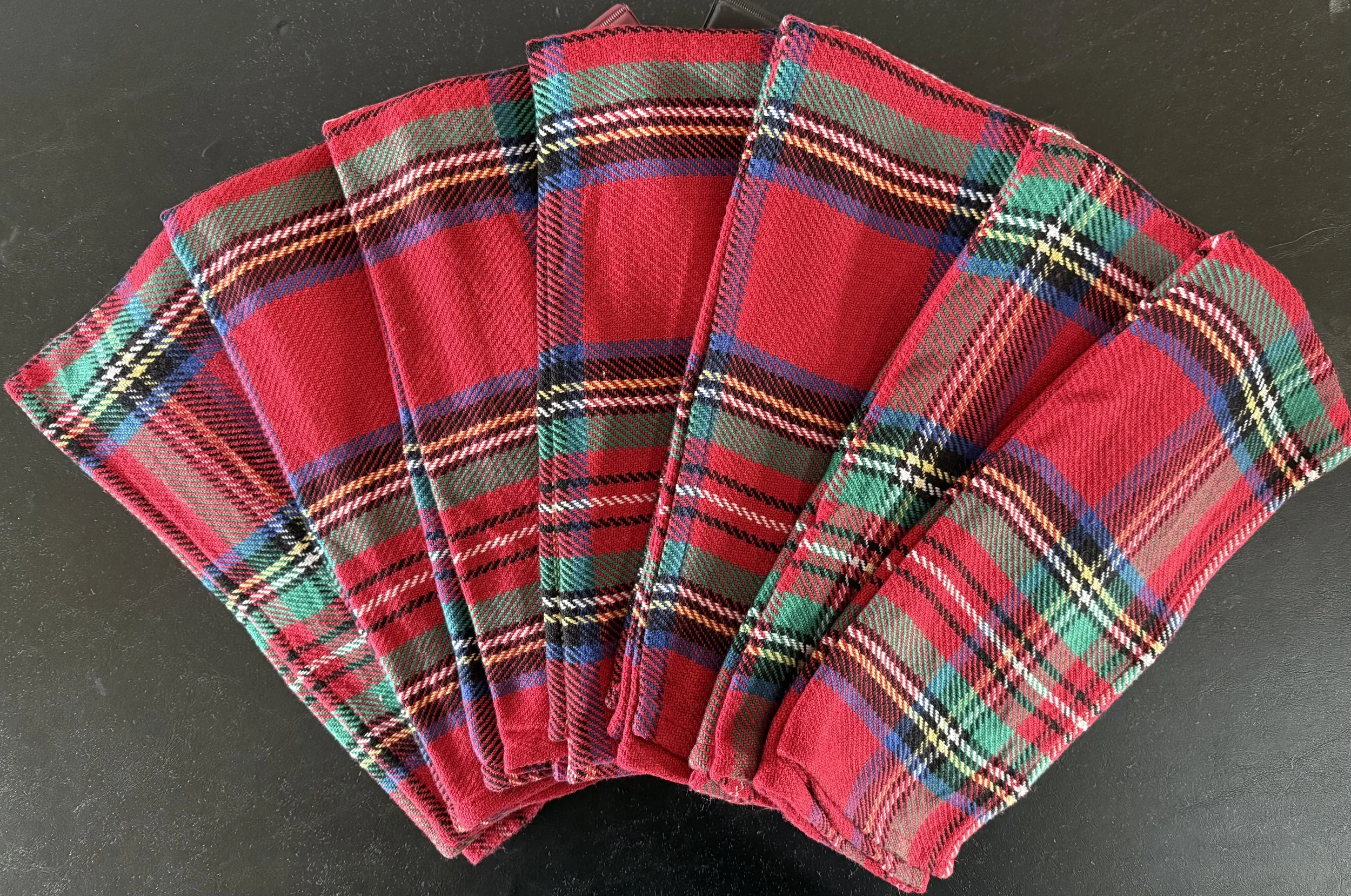
These towels are 100% Cotton, woven on an 1850s barn loom using traditional methods. Woven in the classic Scottish tartan style, this pattern is a piece of living history, honoring the timeless beauty of Scottish heritage, culture and traditional weaving.
Availability - 12
Dimensions - 16in x 24in
Washing instructions: for best results and longevity wash in cold water, hang dry. If utilizing a dryer, tumble dry on low.
The Royal Stewart tartan: “In older works this sett is termed “The Royal Tartan,” as such worn by the Pipers of such Regiments as the Royal Archers and the Royal Scots. It is in fact the tartan of Scotland’s Royal Race.
The ancestor of the gallant and Royal race of Stewart was a Breton noble, Alan, a cadet of the ancient Counts of Dol and Dinan, in Brittany. Crossing to England, he was appointed Sheriff of Shropshire by Henry I. His 3rd son, Walter Fitz-Alan, was progenitor of House of Stewart. Walter crossed the Border, and received from King David I. the office of Great Stewart of Scotland, subsequently hereditary in the family.
Walter, the 3rd Stewart, assumed as his family surname the name of his office.
Walter, the 6th Stewart, at the age of twenty-one led his vessels to Bannockburn. The following year he married the Princess Marjory Bruce, by whom he had one son, Robert, who ultimately ascended the throne as Robert II. He left a numerous family of sons, but there is now no single legitimate male descendent of any of the Stewart Kings. The direct male line failed with James V, but succession of the House was continued through his daughter, Mary Queen of Scots, who married Henry, Lord Darnley, who singularly enough, was the senior male representative of the Bonkyl branch, and by this union their son, James VI., was thus not only the heir-male (through his father) of the High Stewards of Scotland, but also heir-of-line (through his mother) of the main stem. Male descendants again failed on the death of Prince Charlie and his brother, the Cardinal of York (who left his personal heirlooms, including the Scottish Coronation Ring and chivalric orders which always revert to the sovereign, to George and the Heir to the Stewarts’ rights to the Throne). Queen Victoria thus rightly laid down that, “as Representative of the Family of Bonnie Prince Charlie, no one could be a greater Jacobite than herself.” From ‘The Scottish Clans and their Tartans by Johnston and Bacon.
Weaver: Laina Therrien
These towels are 100% Cotton, woven on an 1850s barn loom using traditional methods. Woven in the classic Scottish tartan style, this pattern is a piece of living history, honoring the timeless beauty of Scottish heritage, culture and traditional weaving.
Availability - 12
Dimensions - 16in x 24in
Washing instructions: for best results and longevity wash in cold water, hang dry. If utilizing a dryer, tumble dry on low.
The Royal Stewart tartan: “In older works this sett is termed “The Royal Tartan,” as such worn by the Pipers of such Regiments as the Royal Archers and the Royal Scots. It is in fact the tartan of Scotland’s Royal Race.
The ancestor of the gallant and Royal race of Stewart was a Breton noble, Alan, a cadet of the ancient Counts of Dol and Dinan, in Brittany. Crossing to England, he was appointed Sheriff of Shropshire by Henry I. His 3rd son, Walter Fitz-Alan, was progenitor of House of Stewart. Walter crossed the Border, and received from King David I. the office of Great Stewart of Scotland, subsequently hereditary in the family.
Walter, the 3rd Stewart, assumed as his family surname the name of his office.
Walter, the 6th Stewart, at the age of twenty-one led his vessels to Bannockburn. The following year he married the Princess Marjory Bruce, by whom he had one son, Robert, who ultimately ascended the throne as Robert II. He left a numerous family of sons, but there is now no single legitimate male descendent of any of the Stewart Kings. The direct male line failed with James V, but succession of the House was continued through his daughter, Mary Queen of Scots, who married Henry, Lord Darnley, who singularly enough, was the senior male representative of the Bonkyl branch, and by this union their son, James VI., was thus not only the heir-male (through his father) of the High Stewards of Scotland, but also heir-of-line (through his mother) of the main stem. Male descendants again failed on the death of Prince Charlie and his brother, the Cardinal of York (who left his personal heirlooms, including the Scottish Coronation Ring and chivalric orders which always revert to the sovereign, to George and the Heir to the Stewarts’ rights to the Throne). Queen Victoria thus rightly laid down that, “as Representative of the Family of Bonnie Prince Charlie, no one could be a greater Jacobite than herself.” From ‘The Scottish Clans and their Tartans by Johnston and Bacon.
Weaver: Laina Therrien